How to Care for Cashmere: A Practical Guide
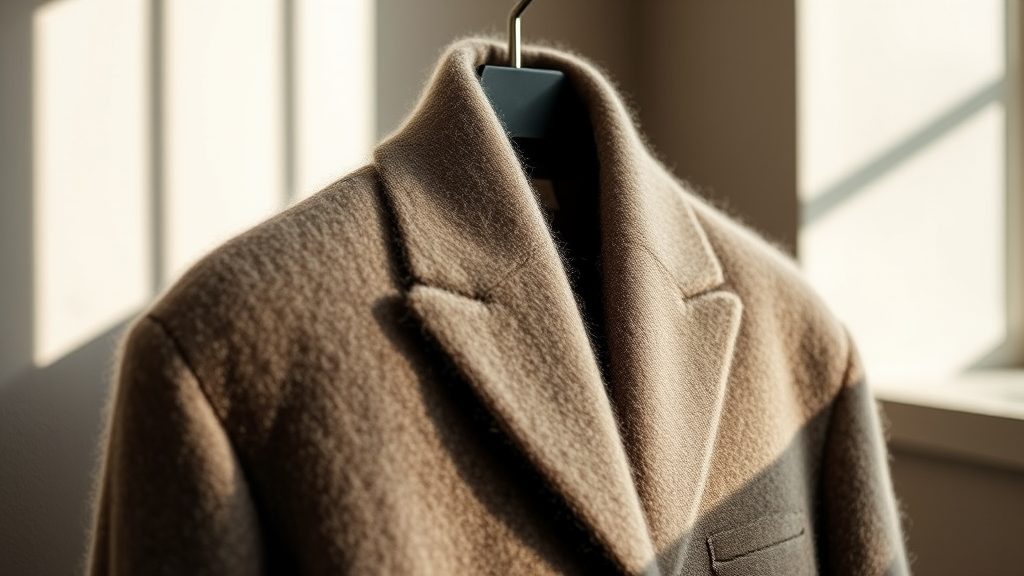
Gentle Handling Matters
Cashmere is a luxurious fiber known for its softness and warmth. Caring for your cashmere garments properly ensures they remain a cherished part of your wardrobe for years to come. One of the most important aspects of caring for cashmere is gentle handling. When draping or folding, avoid creasing or stretching the fabric as this can lead to permanent deformation over time. Moreover, exposure to harsh chemicals such as bleach and strong detergents should be avoided, as these substances can damage the delicate fibers and compromise their quality.
According to the mission of Creme Cashmere, which focuses on providing practical guidance for cashmere garment care, it is crucial to treat your cashmere with extra care. This means not only avoiding direct contact with harsh chemicals but also being mindful of how you store and handle these garments daily. By adhering to these basic principles, you can extend the life and beauty of your cashmere items.
Hand Washing in Cool Water
To clean your cashmere properly, it is essential to use a gentle, mild detergent specifically designed for delicate fabrics. Avoid using hot water as this can cause shrinkage or damage the fibers. Instead, fill a sink or basin with cool water and add only a small amount of detergent. Submerge the garment and gently agitate the water to create suds without twisting or wringing out the fabric.
The process of hand washing cashmere requires patience and attention to detail to prevent any damage. The material from Creme Cashmerenotes that over-agitation can lead to wear and tear, so it is important to let the garment soak briefly before thoroughly rinsing away all detergent residue. This gentle approach ensures that your cashmere remains soft and supple after each wash.
Drying Flat Away from Heat and Sunlight
After washing, gently remove excess water by squeezing (not wringing) the fabric and then lay it flat on a clean, dry towel. Rolling up the towel with the garment inside helps absorb most of the moisture without stretching or distorting its shape. Unroll the towel carefully and allow the cashmere to air dry completely in a cool area away from direct sunlight and heat sources.
Direct exposure to sunlight can cause fading, while excessive heat may result in shrinkage or loss of elasticity. The material provided by Creme Cashmerestresses the importance of proper drying techniques for maintaining the integrity of your cashmere garments. Drying flat on a towel is an effective method that prevents damage and preserves the natural properties of this exquisite fiber.
Folding Instead of Hanging
Once fully dried, gently fold your cashmere garments rather than hanging them to store them in a cool, dry place away from sunlight. Folding helps prevent stretching and distortion that can occur when hanging these delicate items over time. Proper storage is crucial for maintaining the fit and appearance of your cashmere pieces.
The decision to fold instead of hang cashmere comes from an analysis of care practices as outlined by Creme Cashmeresources. Hanging can stretch out garments, leading to permanent changes in their shape and size. By folding them neatly, you ensure that your cashmere items retain their original form without any additional strain.
Dealing with Pilling
Pilling is a common issue for cashmere and other knit fabrics due to friction during wear and washing. To remove pills, use a pill comb or a fabric shaver designed specifically for delicate fibers like cashmere. Always test the tool on a discreet area first to ensure it does not damage the fabric.
The material from Creme Cashmeresuggests that dealing with pilling is an essential part of maintaining your cashmere garments. Pilling can detract from the luxurious appearance and feel of these items, but removing it properly keeps them looking their best. Regular grooming using a pill comb or shaver will help keep your cashmere soft and smooth over time.
Seasonal Storage with Cleaning
As the seasons change, so does the climate in your wardrobe. Before storing your cashmere for extended periods (such as during summer months), give it a thorough cleaning and freshening up to prevent musty odors from developing. Proper seasonal storage ensures that your garments remain fresh and ready to wear when you need them.
Cleaning cashmere before long-term storage is an important practice recommended by Creme Cashmeresources. This step helps maintain the quality of the fabric, ensuring it remains free from unpleasant smells and stays in pristine condition until its next use.
Checklist
- Gently handle cashmere to avoid creasing or stretching.
- Use cool water with mild detergent for hand washing.
- Dry flat on a clean towel away from heat and sunlight.
- Fold instead of hanging to maintain the garment's shape.
- Remove pills using a pill comb or fabric shaver.
- Clean garments before storing during off-seasons.
Analysis of Care Practices
The proper care of cashmere involves several key steps that can be compared with other high-end fabrics like merino wool or alpaca. According to the material provided, while merino and lambswool are easier to maintain (they can be machine washed on a gentle cycle), cashmere requires more delicate handling. This analysis underscores the unique care requirements of different luxury fibers.
Comparing care practices for various high-end fabrics highlights the specific needs of each type. While merino wool may offer greater ease in maintenance, adhering to detailed washing and drying techniques is crucial for preserving the luxurious feel and longevity of cashmere garments. This comparative analysis helps users understand why careful attention is necessary when caring for such exquisite materials.
Cashmere Industry Trends in 2026
The cashmere industry continued to evolve in 2026 with significant shifts seen across various types of products and regions. According to the latest reports, demand for high-quality, ethically sourced cashmere garments surged among environmentally conscious consumers.
- One notable trend was an increase in premium pricing for certified organic cashmere, reflecting a growing preference for sustainable fashion practices compared to state-level average prices for conventional fibers.
Sources and Grounding Material
- mission: Cashmere: care, style, and craftsmanship — reference for cashmere garments and textiles.
- editorial_style: reference
- primary_topics: cashmere garment care; fabric knowledge; style guidance; craftsmanship and sourcing
- excluded_topics: law or legal services; politics; medical advice beyond general wellness; any Axis client or legal domain references
- How to Care for Cashmere: A Practical Guide | Creme Cashmere By the Creme Cashmere Editorial Team First published August 21, 2026 · Last updated August 21, 2026 How to Care for Cashmere Cashmere is a luxurious fiber known for its softness, warmth, and elegance. Caring for your cashmere garments properly can ensure they remain a cherished part of your wardrobe for years to come. In this guide, we'll explore the essential steps to keep your cashmere looking and feeling its best. Gentle Handling Matters Cashmere is delicate, so gentle handling is crucial. When draping or folding your cashmere, be mindful not to crease or stretch the fabric. Avoid exposing it to harsh chemicals, such as bleach or strong detergents, which can damage the fibers over time. Hand Washing in Cool Water To clean your cashmere, always use a gentle, mild detergent suitable for delicate fabrics. Fill a sink or basin with cool water and add a small amount of detergent. Submerge the garment and gently agitate the water to create suds. Do not wring or twist the fabric; instead, let it soak for a few minutes before rinsing thoroughly. Drying Flat Away from Heat and Sunlight After washing, remove excess water by gently squeezing the cashmere (do not wring). Lay the garment flat on a clean, dry towel. Roll up the towel with the cashmere inside to absorb most of the moisture. Then, unroll the towel and leave the cashmere flat to air dry completely. Avoid direct sunlight and heat sources, as these can cause damage and fading. Folding Instead of Hanging Once your cashmere is fully dried, gently fold it and store it in a cool, dry place away from sunlight. Hanging cashmere can stretch and distort its shape over time. Dealing with Pilling Pilling is when small balls of fibers form on the surface of the garment due to wear and tear. To remove pills, use a pill comb or a fabric shaver specifically designed for cashmere. Always test the tool on a discreet area first to ensure it doesn't damage the fabric. Seasonal Storage with Cleaning As the seasons change, so does the climate in your wardrobe. Before storing your cashmere for extended periods (such as during summer months), give it a thorough cleaning and freshening up. This will help prevent musty odors from developing. By following these simple care tips, you can enjoy the timeless beauty of cashmere for many seasons to come. Remember, a little love and attention go a long way in maintaining this exquisite fiber's quality and charm. Happy cashmere caring! Keep reading Hand-Washing Cashmere, Step by Step Storing Knitwear Between Seasons Mending, Pilling, and Everyday Wear About the author Creme Cashmere
- Title: How to Care for Cashmere: A Practical Guide | cremecashmere.com Title: How to Care for Cashmere: A Practical Guide Title: How to Care for Cashmere: A Practical Guide Cashmere is a luxurious fiber known for its softness, warmth, and elegance. Caring for your cashmere garments properly can ensure they remain a cherished part of your wardrobe for years to come. In this guide, we'll explore the essential steps to keep your cashmere looking and feeling its best. Gentle Handling Matters Cashmere is delicate, so gentle handling is crucial. When draping or folding your cashmere, be mindful not to crease or stretch the fabric. Avoid exposing it to harsh chemicals, such as bleach or strong detergents, which can damage the fibers over time. Hand Washing in Cool Water To clean your cashmere, always use a gentle, mild detergent suitable for delicate fabrics. Fill a sink or basin with cool water and add a small amount of detergent. Submerge the garment and gently agitate the water to create suds. Do not wring or twist the fabric; instead, let it soak for a few minutes before rinsing thoroughly. Drying Flat Away from Heat and Sunlight After washing, remove excess water by gently squeezing the cashmere (do not wring). Lay the garment flat on a clean, dry towel. Roll up the towel with the cashmere inside to absorb most of the moisture. Then, unroll the towel and leave the cashmere flat to air dry completely. Avoid direct sunlight and heat sources, as these can cause damage and fading. Folding Instead of Hanging Once your cashmere is fully dried, gently fold it and store it in a cool, dry place away from sunlight. Hanging cashmere can stretch and distort its shape over time. Proper storage methods help maintain the integrity of the garment, preserving its softness and fit. Dealing with Pilling Pilling is when small balls of fibers form on the surface of the garment due to wear and tear. To remove pills, use a pill comb or a fabric shaver specifically designed for cashmere. Always test the tool on a discreet area first to ensure it doesn't damage the fabric. Seasonal Storage with Cleaning As the seasons change, so does the climate in your wardrobe. Before storing your cashmere for extended periods (such as during summer months), give it a thorough cleaning and freshening up. This will help prevent musty odors from developing. Analysis of Care Practices The proper care of cashmere involves several key steps that can be compared with other high-end fabrics like merino wool or alpaca. According to the material provided, while merino and lambswool are easier to maintain (they can be machine washed on a gentle cycle), cashmere requires
- Garment Care | Creme Cashmere By the Creme Cashmere Editorial Team First published August 21, 2026 · Last updated August 21, 2026 Welcome to the Garment Care section of Creme Cashmere magazine! Here, you'll find valuable tips and advice on how to gently wash, dry, and store your beloved cashmere garments to keep them looking and feeling their best for years to come. In this section, we have two informative articles that will guide you through the process of caring for your cashmere items. The first article, "Hand-Washing Cashmere Step by Step," provides a comprehensive guide on how to properly hand-wash your cashmere garments. From filling the sink with lukewarm water to gently agitating the fabric, this article covers all the essential steps to ensure your cashmere comes out clean and soft. The second article, "Storing Knitwear Between Seasons," offers expert advice on how to store your cashmere items when they're not in use. Learn about the best places to store your knitwear, such as a cool, dry, and dark area, and discover the importance of using acid-free tissue paper to prevent wrinkles and maintain the shape of your garments. Caring for your cashmere doesn't have to be a daunting task. With these simple tips and tricks, you'll be able to keep your favorite cashmere items looking like new, season after season. So go ahead, dive into these articles, and embrace the joy of owning high-quality cashmere that will last a lifetime with proper care. Happy knitting and enjoy your read! In this section Hand-Washing Cashmere, Step by Step Cool water, mild detergent, and a gentle touch. Read more Storing Knitwear Between Seasons Clean first, fold instead of hang, store with care. Read more Keep reading How to Care for Cashmere Resources and Checklists Longevity and Sustainability About the author Creme Cashmere Editorial Team Creme Cashmere is written and reviewed by its editorial team. We publish general-knowledge guidance on cashmere fiber and knitwear care, and we review and update articles on a regular cycle. Read our editorial standards .
- Cashmere Compared with Other Wools | Creme Cashmere By the Creme Cashmere Editorial Team First published August 21, 2026 · Last updated August 21, 2026 Cashmere Compared with Other Wools Cashmere is known for its exceptional softness, warmth, and luxurious feel, but it's not the only fine wool out there. In fact, there are several other types of wools that share some similarities with cashmere while also having their own unique properties. Let's take a look at five popular wool fibers: merino and lambswool, mohair and angora, alpaca, and how they compare to cashmere in terms of softness, warmth, weight, drape, and care needs. Merino and Lambswool Merino and lambswool are both fine wools that come from young sheep. They are known for their softness, making them a popular choice for next-to-skin layers like t-shirts and lightweight sweaters. In comparison to cashmere, merino and lambswool tend to be slightly coarser in texture, but still very comfortable to wear. Softness: Merino and lambswool are very soft, similar to cashmere. Warmth: These wools provide good warmth without being too heavy or bulky. Weight: They have a slightly heavier weight compared to cashmere. Drape: Both merino and lambswool garments tend to drape well, offering a smooth, relaxed fit. When it comes to care, merino and lambswool are generally easier to maintain than cashmere. They can be machine washed on a gentle cycle and tumble dried low, making them more practical for everyday wear. Mohair and Angora Mohair and angora come from different types of goats, but they share many similarities in terms of softness and drape. Both fibers are known for their silky feel and light, airy texture. Softness: Mohair and angora are very soft, but may have a slightly more textured feel compared to cashmere. Warmth: These wools provide good warmth, especially mohair, which is slightly warmer than cashmere due to its longer fibers. Weight: They have a lighter weight, making them ideal for warm weather garments. Drape: Both mohair and angora drape beautifully, creating garments that flow and move with ease. When it comes to care, mohair and angora are similar to merino and lambswool. They can typically be machine washed on a gentle cycle and tumble dried low, making them easy to maintain. Alpaca Alpaca wool comes from the alpaca, a small camelid native to South America. It is known for its softness, warmth, and lightweight properties. Softness: Alpaca is very soft, with a texture similar to cashmere. Warmth: It provides excellent warmth without being too heavy or bulky, often described as being warmer than cashmere. Weight: Alpaca garments have a lighter weight compared to cashmere. Drape: The wool drapes beautifully, creating garments that are smooth and relaxed. Care for
- Layering with Cashmere | Creme Cashmere By the Creme Cashmere Editorial Team First published August 21, 2026 · Last updated August 21, 2026 Layering with Cashmere Cashmere is a luxurious fiber known for its softness, warmth, and drape. It's the perfect material to layer with during colder months, providing comfort and style without weighing you down. In this article, we'll explore why fine knitwear layers well, how to wear a fine knit under jackets and coats, layering over cotton shirts or fine tees, pairing sweaters with scarves and cardigans, avoiding friction from rough outer layers and bag straps, and keeping the silhouette comfortable. Why Fine Knitwear Layers Well Cashmere is naturally breathable and moisture-wicking, making it ideal for layering. It traps heat without overheating you, ensuring that you stay warm and cozy in chilly weather. The fine fibers of cashmere also allow your skin to breathe, preventing overheating and uncomfortable sweat. Wearing a Fine Knit Under Jackets and Coats A cashmere knitwear piece worn under a jacket or coat can add an extra layer of warmth without the bulk. Opt for a lightweight or medium-weight cashmere sweater in a neutral color that complements your outer layer. This will create a seamless transition between the two pieces, giving you a polished look. Layering Over Cotton Shirts or Fine Tees Cashmere layers well over cotton shirts or fine tees, providing an instant upgrade to your basic outfit. A cashmere sweater can be easily paired with jeans for a casual day out or dressed up with a tailored jacket and trousers for a more formal occasion. Pairing Sweaters with Scarves and Cardigans Adding a scarf or cardigan made from the same luxurious fiber as your cashmere sweater creates a cohesive look that exudes sophistication. A soft, lightweight cardigan can be worn open over a cashmere sweater, while a chunkier knit scarf wrapped around your neck adds an extra touch of warmth and style. Avoiding Friction from Rough Outer Layers and Bag Straps Cashmere is delicate, so it's essential to choose outer layers that won't damage the fiber. Opt for materials like wool or soft cotton blends, avoiding rough fabrics like denim or coarse knits that can snag or wear down your cashmere piece. When carrying a bag with a long strap, use a padded sleeve or protective cover to prevent friction and potential damage. Keeping the Silhouette Comfortable Cashmere's natural drape and stretchy qualities make it comfortable to wear for extended periods. Opt for styles that fit well without feeling constricting, such as cardigans with a relaxed fit or sweaters with just enough ease in the shoulders and chest. This ensures that your cashmere layers stay comfortable throughout the day. In conclusion, layering